Active Cimex lectularius infestations produce severe sleep disruption, dermatological irritation, and structural migration into wall framing, creating acute stress for property owners. DesertCrown Pest Services…
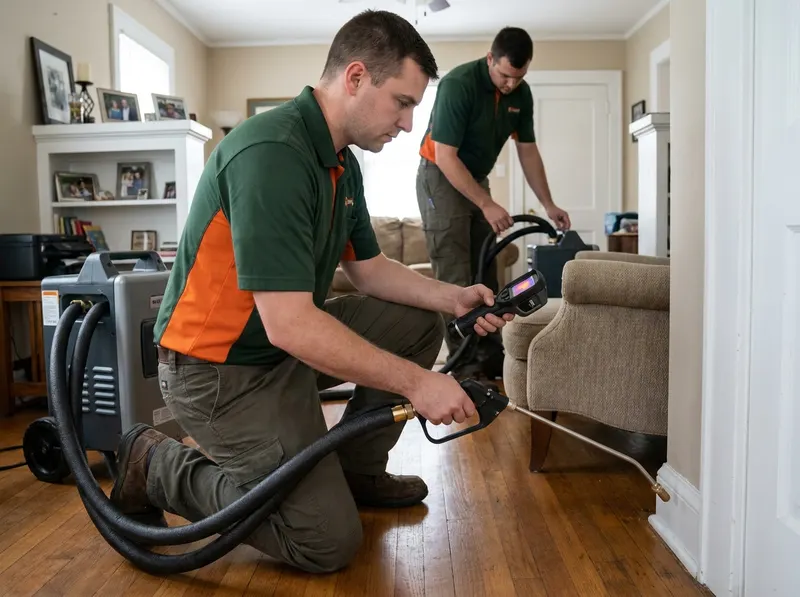
Active Cimex lectularius infestations produce severe sleep disruption, dermatological irritation, and structural migration into wall framing, creating acute stress for property owners. DesertCrown Pest Services implements targeted integrated pest management protocols designed to stop structural intrusion without forcing clients into perpetual quarterly maintenance retainers. Cincinnati properties present distinct microclimates and structural layouts that alter insect harborage. Multi-unit brick walk-ups in Over-the-Rhine and Clifton feature shared floor joists and plaster cavities that allow nocturnal dispersal between adjoining units. Detached historic frame homes throughout Northside, College Hill, and Pleasant Ridge contain extensive lath, wide baseboard trims, and deep floorboard gaps that shelter early-instar nymphs. The technical protocol balances lethal heat dynamics with botanical-barrier chemistries compliant with the EPA Bed Bug Management Guidelines. By applying focused heat rather than broad-spectrum synthetic aerosol foggers, treatment penetrates deep into upholstered folds and structural framing voids while maintaining indoor residential safety for children and domestic pets.
Eradication performance depends on strict temperature regulation governed by insect thermal death thresholds established by the Entomological Society of America. Step 1 involves an initial diagnostic thermal scan using infrared sensors to map insect clustering behind crown molding, electrical faceplates, and headboards. Step 2 requires room preparation by removing heat-sensitive aerosol cans, vinyl records, oil paintings, and temperature-sensitive prescription medications. Step 3 deploys industrial electric convection heaters calibrated alongside high-velocity air movers to circulate superheated air, raising interior core ambient levels between 120°F and 135°F. Sustaining 122°F for at least 60 continuous minutes denatures pest protein structures across all life stages, including desiccation-resistant eggs, as verified by technical studies cataloged by the USDA Agricultural Research Service. Step 4 introduces localized contact applications using desiccant dusts such as amorphous silica gel, matching safety protocols from the CDC Parasitic Diseases Division, which strip insect cuticular waxes to prevent re-infestation along egress points.
Selecting whole-structure thermal treatment versus targeted contact applications depends entirely on structural density and pest dispersion. Single-room contact treatments suit early-stage localized introductions in modern drywall construction found in Mount Lookout, Oakley, or Hyde Park, keeping structural costs near the baseline minimum. Whole-structure thermal distribution suits multi-story properties, dense Victorian homes near Mount Adams, or spaces where clutter prohibits manual contact access. The mechanical operational trade-off centers on preparation labor versus treatment longevity: thermal remediation resolves infestations in a single 6 to 8 hour operational cycle without leaving persistent chemical films, whereas standalone contact barrier treatments require follow-up applications spaced 14 days apart to intercept newly hatched nymphs. Structural safety and jobsite electrical distributions comply with standards established by the Occupational Safety and Health Administration to protect wiring and building integrity during high-draw electric deployment.
Operational execution follows a four-stage process to eliminate nocturnal pests without unneeded structural disruption:
Pre-treatment preparation determines overall efficacy. Homeowners must avoid setting off commercial pyrethroid total-release foggers before service dispatch, as volatile propellants scatter insects deep into wall cavities and adjacent living spaces. Structural clearance guidelines align with technical documents from the National Pest Management Association, ensuring resident safety through thorough post-treatment ventilation protocols monitored by the Cincinnati Health Department. Property managers coordinating multi-family buildings should reference tenant protection procedures through the U.S. Department of Housing and Urban Development. Homeowners can verify direct scheduling and dispatch options by placing a factual inquiry to (513) 812-8085.
Every job gets a firm, written price after an on-site visit.
Tell us about your bed bug thermal and contact eradication job in Cincinnati and we'll send a clear, written quote, usually the same day.
 DesertCrown Pest Services